RemyAI. AI for US real estate agents.
AI assistant for US real estate agents. Records every call, writes the summary, surfaces the next follow-up. Built at NomadHomes (200+ brokerages worldwide, $44M funded).
00
problem
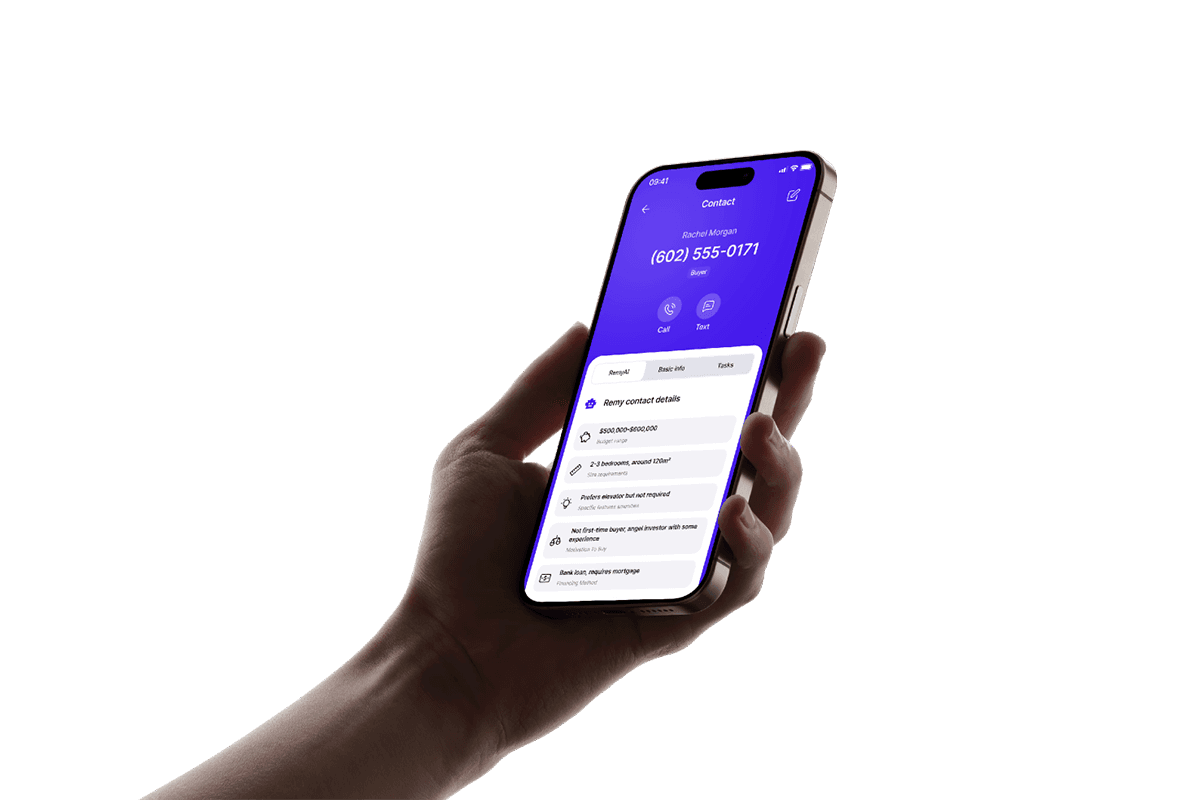
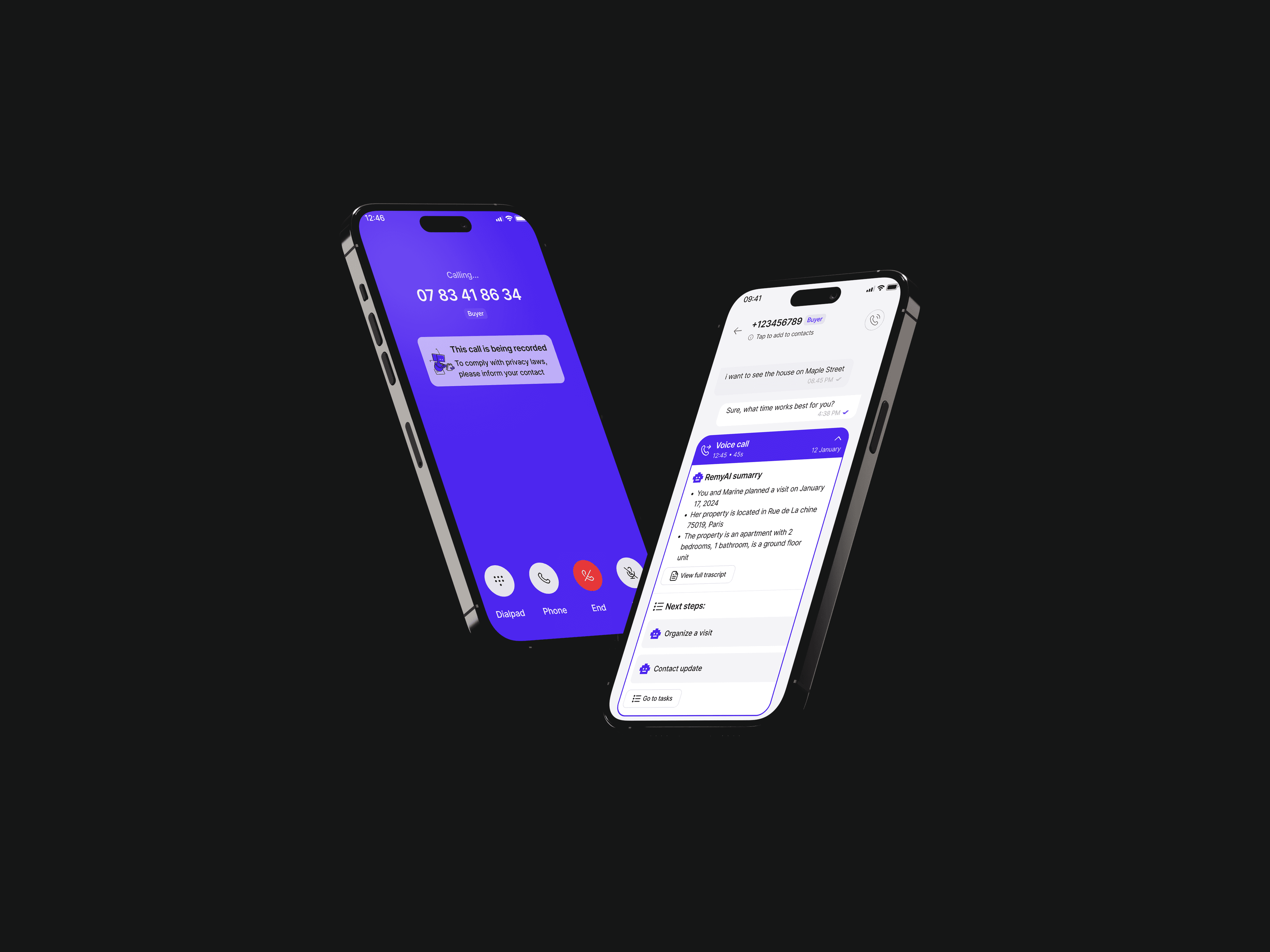
US real estate agents live on the phone. They run their business from their car between showings, not from a desk. Every call is a lead, a follow-up, a contract detail. The problem is what happens after the call ends: the notes, the tasks, the next message. Most agents do it from memory, which means a lot of it doesn't get done. RemyAI sits on top of the phone. It records the call, writes the summary, pulls out the tasks, and drafts the follow-up text. The agent stays on the road. I joined after V1 had launched, to scale RemyAI's design, deepen the AI interaction model, and ship the next chapter of the product.
solution
RemyAI turns every phone call into a running to-do list. It transcribes, summarizes, and suggests the next action (a text to send, a task to schedule, a detail to log), always gated behind a one-click approval before anything is sent on the agent's behalf. The product sits on an uncomfortable tension. Our user base (US residential agents, many in their 50s, mobile-first, skeptical of AI) will only adopt a product they trust, and trust in AI is earned one approved action at a time. Every design decision ladders to that. Three things we held as non-negotiable: The AI suggests, the agent decides. There is no automated send. Every drafted message, scheduled task, or status update is a draft the agent approves, edits, or dismisses. The moment we let AI act unattended, we lose the user. The UI hides the machinery. Under the hood, RemyAI is wired into phone infrastructure, CRM integrations, contact graphs, and a conversational AI layer. On the surface, the agent sees a transcript and a few suggested next steps. The complexity stays in the backend. Reliability before ambition. Research made it clear that agents' trust in AI features tracks directly to their trust in the base product. A missed notification or a broken task undermines the whole system, no matter how good the AI is. We resisted shipping more AI before the floor was solid. RemyAI is in active use across 200+ brokerages at NomadHomes.
Joining an already-shipped product
RemyAI had launched when I joined. V1 was working, the core bet was validated, early agents were using it. My job was the next chapter: scale the design, deepen the AI interaction model, and ship the features that would push the product from useful to indispensable for the agents who depend on it.
Research before redesign
Before touching the UI, I ran a mixed-methods study with existing users and agents outside the user base. I had planned Wizard of Oz sessions but pivoted to moderated concept walkthroughs due to time, which surfaced trust reactions more cleanly than simulated AI behavior would have.
The most useful finding was counterintuitive. Agents' willingness to adopt AI features tracks more closely to their trust in the base product (does the app load, do notifications fire, do tasks stay put) than to the sophistication of the AI itself. It reframed the roadmap. Half of what we shipped next wasn't AI at all.
Designing the seams
The hardest part of RemyAI isn't the AI. It's the seams. The moments where the agent hands off to RemyAI and takes it back. Get them right and the product feels like a superpower. Get them wrong and it feels like paperwork.
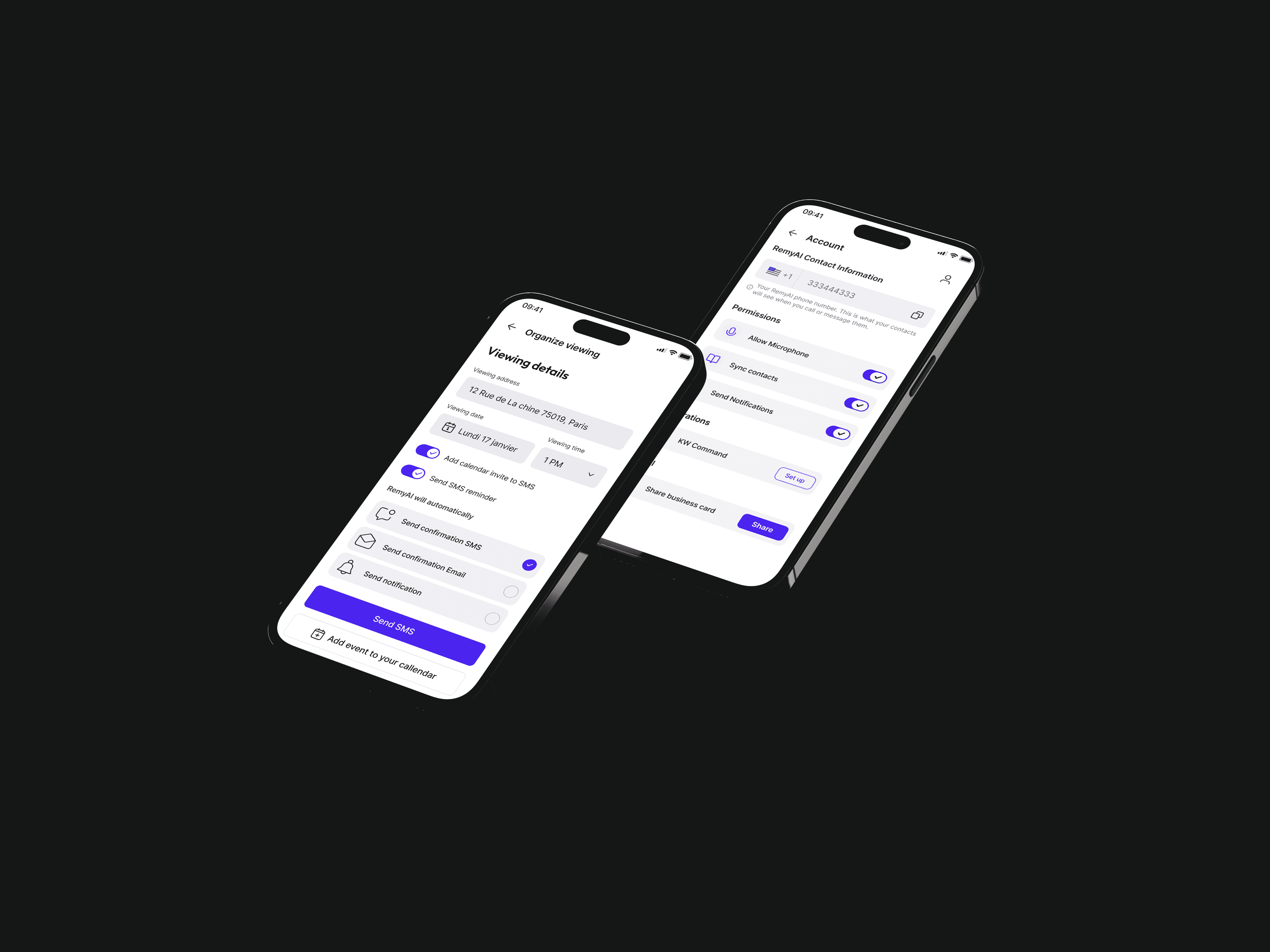
I shaped the core interaction into something teachable: AI suggests, agent approves. Every automated action routes through an approval gate the agent can edit, send, or dismiss in a click. For this user base especially (many of them new to AI and burned by it), the approval gate isn't just a UX pattern. It's the product's trust contract. Without it, nothing else works.
Prototyping in code, not just Figma
I built a working prototype in Claude Code to pressure-test the core interaction model before engineering committed. A real clickable thing, not a Figma simulation. Edge cases surfaced weeks earlier, and weekly reviews stopped being debates about what I meant and became decisions about what to ship.
It's the one move I'd make again first on any AI project. Abstract debates turn into concrete decisions the moment someone can actually use the thing.
Scaling the design system
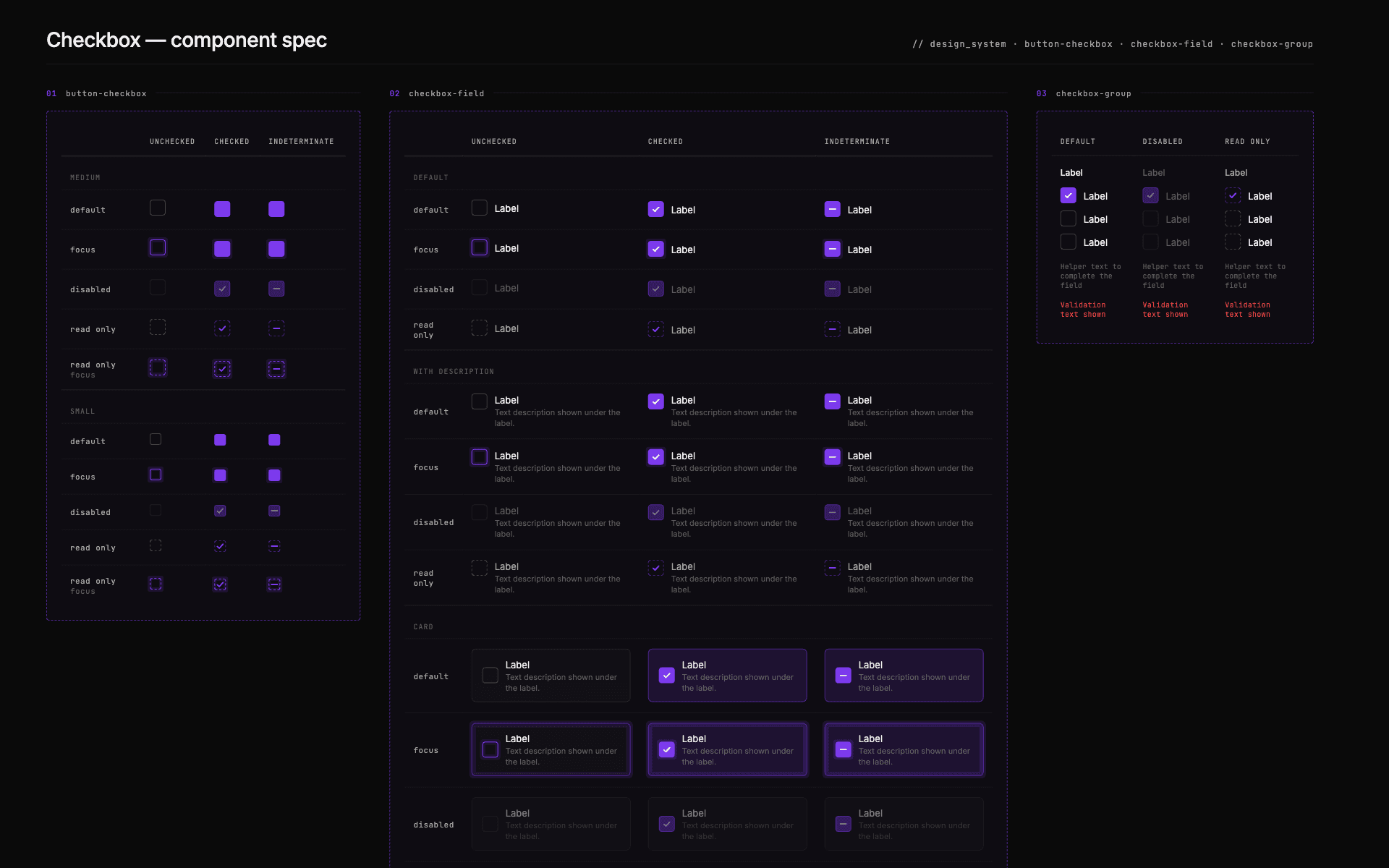
I scaled the component library alongside shipping features, extending it with the patterns AI products need that traditional design systems don't: suggestion states, approval gates, reasoning surfaces, streaming output, and the weirder edge cases (a suggested action that's gone stale, a transcript that arrives in pieces, an AI response that needs a confidence hedge).
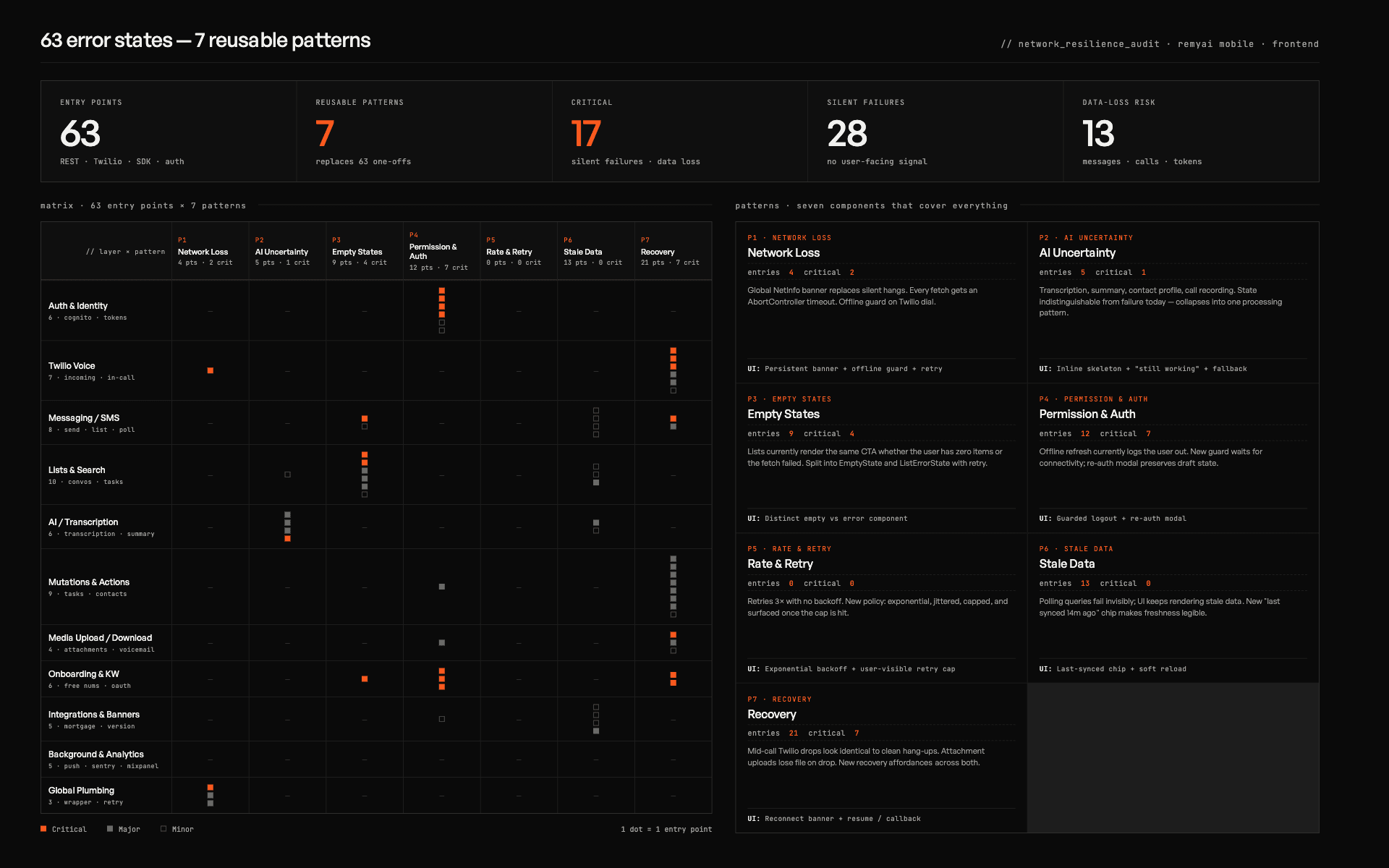
As part of this, I ran a resilience audit across 63 points in the product where the experience could break (a failed request, a dropped call, a stale state) and collapsed the findings into 7 reusable error and recovery patterns the team could reach for instead of inventing error states one screen at a time.
Shipping end-to-end
I partner with engineering from spec through QA, iterating weekly on internal use and beta feedback from partner brokerages. The product keeps shipping. RemyAI is in active use across 200+ brokerages at NomadHomes, part of the team's roadmap behind $44M in funding.
Visit getremy.ai
year
2025–Ongoing
timeframe
Ongoing
tools
Figma · Framer · Claude Code · User research
shipped in
production, 200+ brokerages
category
UI/UX · AI Products
01
02
03
see also
0D0F11